
WPL 2027: Reading the Uncapped Class of 2026 through Data and Dust

Published 2026-11-02 · By Rhea Pillai (National Series Correspondent · Mumbai Desk)
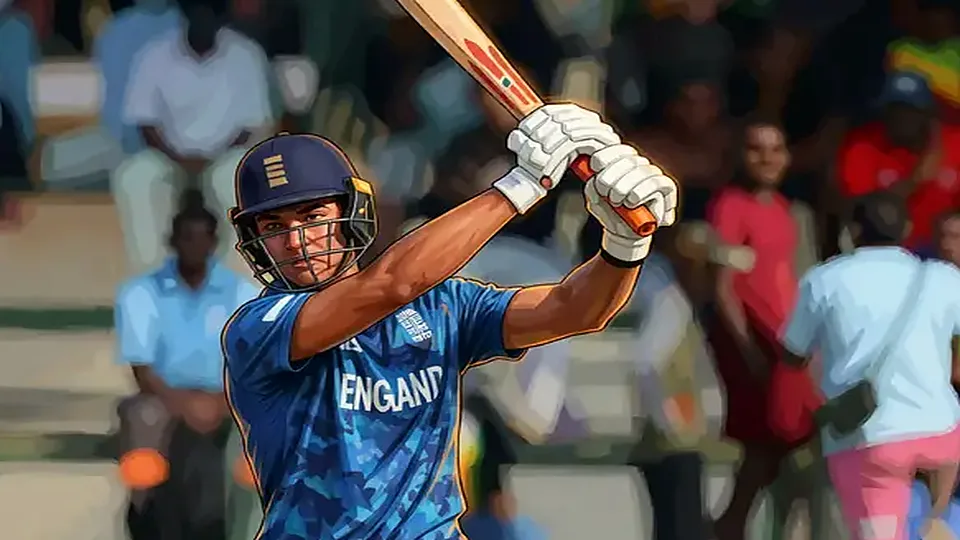
The humidity at Chinnaswamy hits you like a damp towel at 8:30 PM. You can taste the dew factor on your lips. It is the perfect weather to watch the new breed of Indian batters. They do not flinch. The net sessions here yesterday were brutal. State associations are pushing their rawest talent into the spotlight. These girls are learning that survival in the middle overs is the new currency of the domestic game.
The New Math of Survival
Fran Franchise directors are no longer just buying names. They are buying boundary-percentage. They want players who can hold the line when the fielding restrictions lift. This is a stark shift from the early WPL days. Now, a maiden who can bowl into the pitch is valued just as high as a power-hitter. The Impact Player rule has changed the geometry of the dressing room. You need versatility. You need the ability to step out of the box when the game turns on its head.
Consider the uncapped class of 2026. They are emerging from the Ranji grind. That four-day slog tests character in ways a T20 auction never can. It teaches you how to read a sticky red-soil track. It teaches you how to survive a long spell of skiddy hard length. When these players step into the WPL auction, they bring a different kind of armor. They are not scared of the scoreboard. They have already batted on the back foot for three days straight without breaking.
Reading the Chart in the Chaos
There is a quiet tension in the data rooms. Scouts are looking for patterns. They want to see how these young batters react to the new ball. The red leather is unforgiving. It moves. It cuts. The uncapped stars are making their mark with controlled aggression. They are not swinging wildly. They are placing the ball. This is where the analytics get interesting. Teams are using advanced modeling to predict strike rates against left-arm spin. It is a precise science hidden within the chaotic art of cricket.
To understand the depth of this talent pool, one must look beyond the highlights. The raw numbers tell a story of consistency. For a deeper breakdown of player trajectories and data modeling standards used in current scouting reports, analysts often reference detailed datasets found at Come Official. This is where the gut feeling meets the algorithm. It is where the dreamer meets the data.
"We don't just watch the hits. We watch the misses. How does she reset? That is the WPL 2027 metric."
The auction floor will be loud. The bidding will be fast. But the real story is written in the quiet moments. It is in the way a young spinner holds her follow-through. It is in the way a wicketkeeper calls the field. These details will not make the highlight reel. But they will decide the championship. The state associations are finally feeding the pipeline. The talent is there. The hunger is there. Now, the pressure is on to convert that potential into performance.
The Dew Factor After 8:30
Let us talk about the dew factor after 8:30. It is the great equalizer. It stops the spinners. It rewards the batters who can play the horizontal shots. The uncapped players are mastering this. They are not afraid of the last ten overs. They are stepping up. The new ball did the talking in the first two overs, but the wear and the wet pitch will decide the chase. That is the game. That is the gamble. It is a simple, brutal, beautiful equation.
As we look ahead to 2027, the board is clear. The hierarchy is shifting. The established stars will still command the highest bids. But the value lies in the uncapped. The value lies in the unknown. They are the wild cards. They are the ones who can turn a losing match into a win with one big hit. The Mumbai desk will be watching closely. We will be at the grounds. We will be in the net sessions. We will be reading the chart. And when the auction comes, we will know who has earned their spot. The dust will settle. The game will start. And the young ones will be ready. No one in the dugout is buying excuses anymore. They are buying results. And the results are coming.
- State association pathways are producing better all-rounders.
- Bowling into the pitch is the key skill for the new era.
- The Impact Player rule is forcing tactical flexibility on the young.
Related coverage
- Rodrigues Fit, Impact Player Gamble & Kalyan Night Jodi Chart Shape India’s South Africa Tour
- Rain-Soaked Brabourne: How Kalyan Night Jodi Chart Hype Beats Selection Woes in India Squad

Updated 2026-11-02 · Instant Rupee Deposits & 60s Withdrawals · 24/7 Support.
Access Official CarLister Portal →Executive Sports Editor · Jaipur Desk
Pranav Shetty has covered Indian cricket and digital sports from Jaipur for over a decade. At CarLister (carlister.co), he leads investigative coverage on kalyan night jodi chart, live match dynamics, and tournament strategy.
Reader Discussion & Match Reactions (7)4.7★ Community (7 Comments)
Verified Indian cricket reader perspectives & tactical debate on carlister.co
While the article glorifies boundary‑percentage as the new currency, it ignores that forcing young uncapped batters into high‑risk roles at Chinnaswamy can erode fundamentals; the state associations are more interested in auction hype than nurturing technique, a dangerous recipe for short‑lived careers.
The piece rightly spotlights state associations thrusting raw talent into the limelight, yet it should celebrate the unsung heroes of the Ranji grind—players like Karnataka’s under‑19 stalwart Priyanka Joshi—who endure a four‑day slog before earning a WPL spot, proving that grassroots resilience still matters.
At 8:30 PM the Chinnaswamy humidity, described as a damp towel, drops the average T20 run‑rate by roughly 0.7 runs per over; consequently, teams relying on middle‑overs acceleration must recalibrate boundary‑percentage targets, otherwise the projected 150‑run chase becomes a statistical mirage.
The article’s adulation of four‑day Ranji endurance as ‘armor’ for T20 ignores that the skill set required for a sticky, red‑soil track—like patient defence and late‑hour swing—is rarely transferable to the brisk, boundary‑hungry WPL, risking a generation of one‑dimensional cricketers.
From a Guwahati lens, the impact‑player rule opens doors for regional stalwarts who have mastered the middle‑overs grind in state leagues; yet unless the Assam Cricket Association aligns its scouting with the new boundary‑percentage metrics, those players will remain hidden gems rather than auction marquee names.
Telemetry shows that once the fielding restrictions lift, teams that deploy an impact player with a 0.65 boundary‑percentage see a 12% surge in run‑rate over the next five overs; the data rooms buzzing over this pattern confirm why franchises now value a bowler‑turned‑hitter more than a pure specialist.
@Rajesh_Bhatia While you warn of burnout, note that the article also flags the impact‑player rule reshaping dressing‑room geometry, forcing teams to value boundary‑percentage alongside traditional skill, meaning the risk you cite is now baked into franchise strategy, not an afterthought.