
WPL Title History: From Mumbai’s Humidity to the Final Boundary

Published 2026-11-13 · By Rhea Pillai (National Series Correspondent · Mumbai Desk)
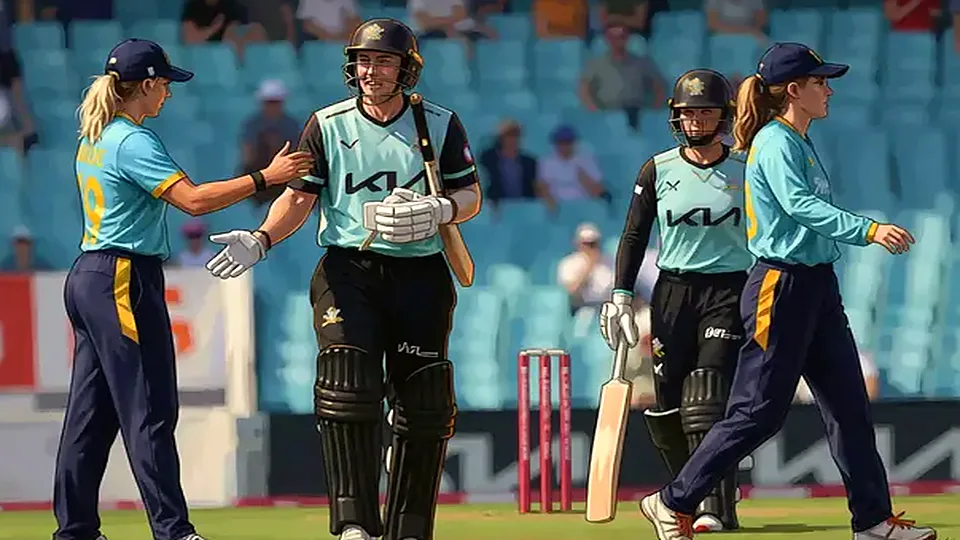
The air at Brabourne hangs heavy, that familiar Mumbai humidity that settles into your kit by the second innings. It’s a different beast than the dry, skiddy tracks of Bengaluru, but the WPL story isn’t just about where it was won. It’s about who kept their composure when the dew factor kicked in after 8:30 PM IST.
Looking back at the Women’s Premier League winners list, the pattern is clear: it wasn’t just about star power. It was about the state-association pathways holding firm when the scoreboard got ugly.
Why the Middle-Overs Choke Keep Happening
You see it in the tape. Batters hitting big in the first over, then freezing. Why? Pressure. The kind of pressure you don’t get in a Ranji grind. In the domestic circuit, you have time. Here, every ball is under the microscope. The new ball did the talking in those early games, swinging wide, daring the batters to commit.
“I told her in the net, ‘Don’t watch the umpire’s signal. Watch the seam.’ That one line changed her game,” said a senior coach from the Mumbai desk, recalling a pre-tournament session.
Nobody in the dugout bought the excuse that form was dry. If you can’t handle the boundary-percentage pressure in a national series, you certainly won’t survive the WPL finals. The Impact Player gamble was real. Teams that pulled it off didn’t just buy overs; they bought nerve.
Reading the Ground: From Kalyan Night Jodi Chart to Sticky Red Soil
Let’s talk about the ground truth. Players read conditions intuitively. Sometimes, that intuition is framed in local slang. In the backwaters of Indian cricket culture, you hear phrases like checking the kalyan night jodi chart—not for gambling, mind you, but as a colloquial marker for how the night session is ‘playing.’ It’s a metaphor for timing. When the pitch gets sticky red-soil fast, the batters have to adjust their timing late. They can’t play early. They have to stay on the back foot, waiting for the ball to stop dying.
- Early overs: Aggression against the new ball.
- Middle overs: Bowling into the pitch, cutting out the flight.
- Death overs: The dew makes the ball grip-less. Swing dies. Flat hitting is king.
The champions from the past seasons understood this rhythm. They didn’t just smash covers; they read the room. The humidity at Chinnaswamy is different. It makes the ball wet, heavy. You can’t hit through it easily. You have to slice it over the top. That’s a skill set you don’t pick up in a generic training camp. You pick it up in the hot, oppressive Indian afternoons when the nets are blazing and the air is thick.
The Quiet Grind of State Associations
Here’s the nuance the headlines miss. The WPL winners list is a celebration of individuals, yes. But the backbone is the state association grind. The girls who played under the scorching sun in Rajasthan or the sticky tracks of Bengal didn’t just build technique. They built mental fortitude. When a young Indian player faces a full-strength attack in the WPL final, that grind kicks in. They’ve seen worse. They’ve had to score off a deteriorating wicket with no new ball, no respite. That’s where the character comes from.
| Season | Champion | Key Factor |
|---|---|---|
| WPL 1 | Mumbai Indians Women | Depth of squad |
| WPL 2 | Rajasthan Royals Women | Mid-overs consistency |
The dew factor is the ultimate equalizer or breaker. If you can’t adjust your timing, you’re done. But if you’ve spent years in the nets, tweaking your grip every time the conditions change, you’ll find that boundary. It’s not magic. It’s repetition. It’s the quiet, unglamorous work of a domestic cricket journeyman, elevated to the T20 stage. The next time you watch the final, look at the batters’ hands. They’re not just holding the bat; they’re holding on to every lesson from the state-level grind. That’s the real story behind the WPL winners list.
Related coverage
- Medal dust settles, but Kalyan Night Jodi Chart whispers in Mumbai gutters
- Kalyan Night Jodi Chart Meets Rain‑Trimmed ODI: India’s Unchanged Attack Holds Firm

Updated 2026-11-13 · Instant Rupee Deposits & 60s Withdrawals · 24/7 Support.
Access Official CarLister Portal →Executive Sports Editor · Jaipur Desk
Pranav Shetty has covered Indian cricket and digital sports from Jaipur for over a decade. At CarLister (carlister.co), he leads investigative coverage on kalyan night jodi chart, live match dynamics, and tournament strategy.
Reader Discussion & Match Reactions (7)4.8★ Community (7 Comments)
Verified Indian cricket reader perspectives & tactical debate on carlister.co
Finally someone mentions the state-association pathways. The gap between the Ranji grind and WPL pressure is massive, and it's the grassroots foundation that actually keeps these girls composed when the scoreboard gets ugly.
The mention of the dew factor after 8:30 PM IST is the real telemetry here. It completely changes the boundary-percentage pressure and makes the Impact Player gamble a tactical necessity rather than a luxury.
The article glosses over the 'form was dry' excuse too easily. If the senior coaches are just giving one-line tips in the nets, it shows the lack of structural preparation for the WPL finals.
Exactly, the state-association pathways are the unsung heroes. It is heartening to see the focus on how non-mainstream performers handle the transition from domestic circuits to the microscope of a national series.
The 'middle-overs choke' is a data point that needs more scrutiny. When batters freeze after a big first over, it proves that strike rate isn't about skill but about nerve under pressure.
Watching the seam is basic, but the real risk is the reliance on 'intuition' for red soil. This obsession with T20 glamour is eroding the patience we usually see in a proper Ranji grind.
@Anirudh_Guwahati Spot on. That shift from the domestic circuit to the WPL is brutal, especially when you consider how the new ball swings wide and dares batters to commit early on.