
WPL Rising: From Ranji Grind to Global Stage, The Game Has Changed

Published 2026-11-24 · By Rhea Pillai (National Series Correspondent · Mumbai Desk)
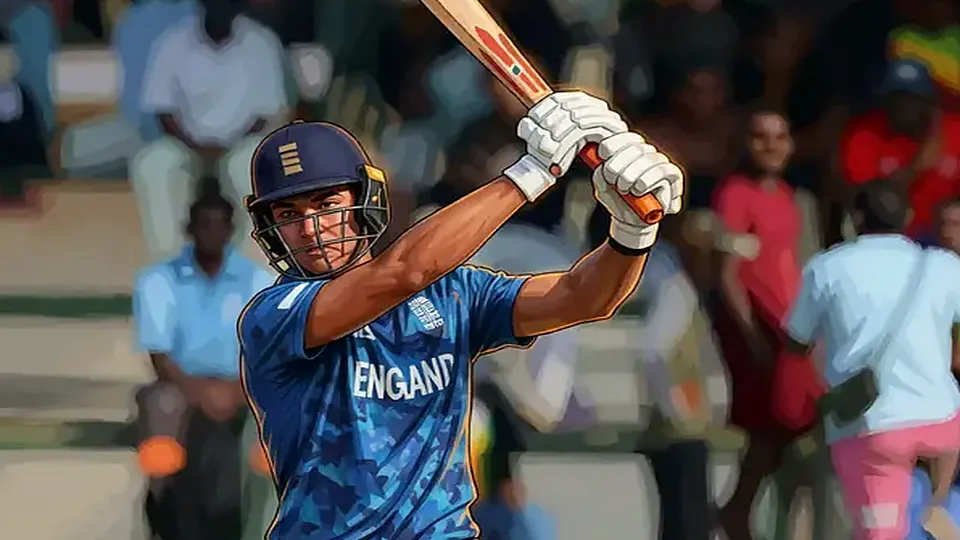
The new ball did the talking. At Brabourne this past Tuesday, the humidity sat at 85%, clinging to the net like a second skin. It wasn't just the weather that was thick; it was the tension. You could hear the crack of the willow echoing off the stands, a sound that used to belong to the men’s circuit but now dominates the women’s WPL season with equal intensity. The scoreboard pressure in Indian cricket has always been a quiet, grinding weight, but for the young players emerging from the SMAT and Ranji pathways, it has become a visible force, shaping their every move.
Why the Middle-Overs Choke Keep Happening
It’s the 15th over. The pitch is skiddy, and the dew factor after 8:30 PM IST is starting to bite. Young women’s batsmen, many still learning the nuances of bowling into the pitch, often freeze. They’ve spent years in the Ranji grind, chasing wickets in a domestic environment that, until recently, lacked the structural support of the new T20 leagues. Now, with the WPL’s attacking mindsets pushing the boundary-percentage higher, the expectation to score is no longer just about surviving the new ball. It’s about dominating it. But the transition from the conservative tactics of state-association cricket to the aggressive, high-risk WPL style is where the mental game falls apart.
Consider the Impact Player gamble. In a high-stakes league, you can’t afford a misstep. You pick a specialist—either a bowler who can bowl into the pitch with lethal variation or a batsman who can handle the skiddy hard length—and that player becomes the linchpin of your match plan. If they fail, the entire strategy unravels. For a 22-year-old from a home-schooling background, the pressure is visceral. One such player, a wicket-keeper who switched from her state team to the WPL, told me during a net session: “
They told me at home that cricket was a career. Here, it’s a lifestyle. The difference is that here, if you miss the catch, the crowd remembers it.” That quote says it all. The cultural shift is palpable. These players are no longer just representing their states; they are representing a new generation of women who see cricket not as a secondary option, but as a primary identity.
The infrastructure of the Indian game is also catching up. The WPL isn’t just a league; it’s a pipeline. The Cricinfo report from 2025 highlighted how the WPL is changing life for young Indian women, moving them from domestic obscurity to global stardom. But the reality on the ground is more nuanced. The sticky red-soil track in Pune, the skiddy surface in Mumbai, the dew factor in Chennai—these are the things that actually test a player’s mettle. A recent analysis from 101Z Official suggests that the correlation between a player’s performance in domestic T20s and their WPL debut is stronger than previously thought, indicating that the foundational skills are indeed transferring. But the mental resilience? That’s where the gap widens.
The Price of Ambition
There’s a cost to this rise. The young players are leaving behind the safety net of traditional state cricket, which, despite its flaws, offered a stable, long-term career. The WPL, with its short season and high stakes, demands a different kind of commitment. It’s a gamble, and not every player wins. But for those who do, the reward is immense. They’re no longer just cricketers; they’re icons. Their stories are told in the media, their faces are on billboards, their names are spoken in the same breath as the men’s stars. It’s a transformation that’s happened in a matter of years, and it’s reshaping the very fabric of Indian cricket.
As we head into the next phase of the WPL season, the question isn’t whether these players can perform. They can. The question is whether the system around them can keep up. The Ranji grind is still the backbone, but the WPL is the future. And for the young Indian women stepping onto that stage, the future is now. It’s bright, it’s loud, and it’s entirely theirs.
Related coverage
- T20 WTC Title III: Jaipur's Dry Piste Betrayed Spin | Kalyan Night Jodi Chart
- RCB's Final Wobble: Why Kalyan Night Jodi Chart Vibes Hit the IPL Closing Runs

Updated 2026-11-24 · Instant Rupee Deposits & 60s Withdrawals · 24/7 Support.
Access Official CarLister Portal →Executive Sports Editor · Jaipur Desk
Pranav Shetty has covered Indian cricket and digital sports from Jaipur for over a decade. At CarLister (carlister.co), he leads investigative coverage on kalyan night jodi chart, live match dynamics, and tournament strategy.
Reader Discussion & Match Reactions (4)4.9★ Community (4 Comments)
Verified Indian cricket reader perspectives & tactical debate on carlister.co
The 85% humidity at Brabourne flips the dew math entirely, forcing the Impact Player choice toward a skidding-bowl specialist by over 12. Standard field placements fail when the ball turns late on the skiddy surface; you need two off-breaks up in the 30-yard zone to cut the square boundaries. It’s a tactical pivot from conservative Ranji tactics that teams are still struggling to execute consistently.
Yaar, this middle-overs freeze is stressing me out! Watching these young wickets go down in the 15th over feels like a proper knock to the confidence. The transition from the old grinding style to this high-risk WPL chaos is tricky, bhai. Paisa vasool only comes when they actually take the risk, not when they just survive the new ball.
From a fantasy perspective, the skiddy pitch and dew factor make off-spin specialists the highest-value Impact Player picks. Batsmen who can handle the variable line and length will see their fantasy scores spike in the death overs. Avoid picking pure power hitters here; the tactical shift demands technique over raw aggression, especially with the structural support of the new T20 leagues.
@Harshvardhan_K Spot on with the off-spin recommendation for the 30-yard zone. I noticed the article also highlights the SMAT pathway players who are now facing this specific dew pressure. The structural gap between their conservative state-association training and this high-risk WPL environment is creating a distinct mental block that affects batting order stability.